Enhancing Curb Appeal: Landscaping Strategies for Homes

Updated: Apr 15
When it comes to selling a home or simply making it more inviting, curb appeal plays a crucial role. The exterior of your home is the first impression visitors and potential buyers will have, and a well-maintained landscape can significantly enhance that impression. In this blog post, we will explore effective landscaping strategies that can elevate your home's curb appeal, making it stand out in the neighborhood.

Understanding Curb Appeal
Curb appeal refers to the attractiveness of a property from the street. It encompasses everything from the condition of the lawn to the design of the garden and the overall aesthetic of the home. A well-designed landscape can increase property value, attract potential buyers, and create a welcoming environment for guests.
Why Curb Appeal Matters
First Impressions Count: A well-kept exterior can create a positive first impression, making visitors feel welcome.
Increased Property Value: Homes with high curb appeal often sell for more than those without.
Neighborhood Appeal: A beautiful landscape can enhance the overall look of the neighborhood, encouraging others to maintain their properties.
Key Landscaping Strategies
1. Choose the Right Plants
Selecting the right plants is essential for creating a visually appealing landscape. Consider the following tips:
Native Plants: Opt for native plants that thrive in your local climate. They require less maintenance and are more resistant to pests.
Seasonal Variety: Incorporate plants that bloom in different seasons to ensure year-round color and interest.
Layering: Use a mix of heights and textures. Taller plants can serve as a backdrop, while shorter plants can fill in the foreground.
2. Create Defined Spaces
Defining different areas in your yard can add structure and organization. Here are some ideas:
Pathways: Use stones, bricks, or gravel to create pathways that guide visitors through your garden.
Garden Beds: Establish clear garden beds with borders to separate different plantings.
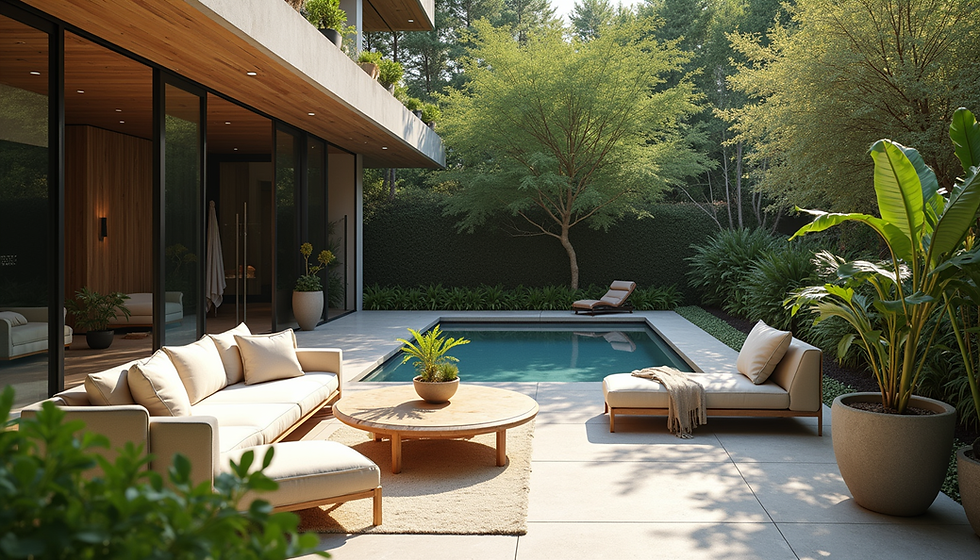
Seating Areas: Consider adding a seating area with benches or chairs to create a cozy spot for relaxation.
3. Maintain a Healthy Lawn
A lush, green lawn is a hallmark of a well-maintained property. To achieve this:
Regular Mowing: Keep your grass at an appropriate height by mowing regularly.
Fertilization: Use organic fertilizers to promote healthy growth.
Weed Control: Regularly check for and remove weeds to keep your lawn looking pristine.
4. Incorporate Hardscaping
Hardscaping refers to the non-plant elements of your landscape, such as patios, walkways, and retaining walls. Here’s how to use hardscaping effectively:
Patios: A well-placed patio can serve as an outdoor living space, perfect for entertaining.
Retaining Walls: Use retaining walls to create levels in your yard, adding visual interest.
Decorative Features: Consider adding features like fountains, sculptures, or decorative stones to enhance the aesthetic.
5. Lighting Matters
Outdoor lighting can dramatically change the ambiance of your landscape. Consider these options:
Pathway Lights: Install lights along pathways for safety and visual appeal.
Spotlights: Use spotlights to highlight trees or architectural features of your home.
String Lights: Hang string lights in outdoor seating areas for a cozy atmosphere.
Seasonal Considerations
Landscaping is not a one-time task; it requires ongoing attention throughout the seasons. Here are some seasonal tips:
Spring
Planting: This is the ideal time to plant new flowers and shrubs.
Mulching: Apply mulch to garden beds to retain moisture and suppress weeds.
Summer
Watering: Ensure your plants receive adequate water, especially during dry spells.
Pruning: Trim back overgrown plants to maintain shape and health.
Fall
Clean-Up: Remove fallen leaves and debris to keep your landscape tidy.
Plant Bulbs: Consider planting bulbs for spring blooms.
Winter
Evergreens: Incorporate evergreens to maintain visual interest during the winter months.
Snow Management: Plan for snow removal to protect your plants and pathways.
Budget-Friendly Tips
Enhancing curb appeal doesn’t have to break the bank. Here are some budget-friendly strategies:
DIY Projects: Consider tackling small landscaping projects yourself, such as planting flowers or building a simple garden bed.
Thrift Stores: Look for second-hand garden decor at thrift stores or garage sales.
Community Resources: Check local gardening clubs or community gardens for plants and advice.
Conclusion
Improving your home's curb appeal through landscaping is a rewarding endeavor that can enhance your property's value and create a welcoming atmosphere. By choosing the right plants, creating defined spaces, maintaining a healthy lawn, incorporating hardscaping, and utilizing lighting, you can transform your outdoor space into a stunning landscape. Remember, landscaping is an ongoing process that requires attention throughout the seasons. Start small, and gradually implement these strategies to see significant improvements in your home's curb appeal.
Take the first step today by assessing your current landscape and identifying areas for improvement. Whether you choose to plant a few flowers or redesign your entire yard, every effort counts towards creating a beautiful and inviting home.

Comments